Time has flown by, and as 2025 draws to a close, so too does my term as Hub Director.
The geopolitical landscape following Russia’s invasion of Ukraine—and the atrocities that accompanied it—will have profound and lasting implications for academia, particularly regarding academic freedom, international collaboration, and scholarly exchange. Similar consequences are emerging from the devastation of the war in Gaza and other conflicts across the region.
In my message last year, I wrote: “The return of the Trump administration to power in the United States creates significant uncertainty for the role of rational, science-based governance in the world’s largest economy—uncertainty that is likely to reverberate throughout global academia.” This prediction has materialized in ways few of us could have imagined, with authoritarian efforts to undermine and destabilize universities, research institutions, funding bodies, and the very principles of academic freedom and institutional autonomy. In a remarkably short time, the environment in which science is conducted has changed dramatically. Security considerations in research have moved to the forefront, and discussions about the dual-use potential of research outcomes have become routine.
In this context, Europe’s role as a beacon of democracy, openness, and inclusion is more vital than ever. Safeguarding the values that underpin European research will be critical. Academia Europaea has an essential part to play in this effort. As a community of leading scholars across Europe, we have both the capacity and the responsibility to make a difference—and we must care enough to act.
An essential part of this effort is to support Commission President von der Leyen’s call to “Choose Europe for science” and to engage with the vision for strengthening European competitiveness that underpins the proposed next Framework Programme for Research (FP10) for 2028–2034. European competitiveness depends not only on providing sufficient resources for our leading researchers and innovators—closing the widening gap with other global powers—but also, critically, on preserving the values of freedom and openness that lie at the heart of scientific inquiry. This is a unique opportunity for Europe, and it must be seized at this pivotal moment.
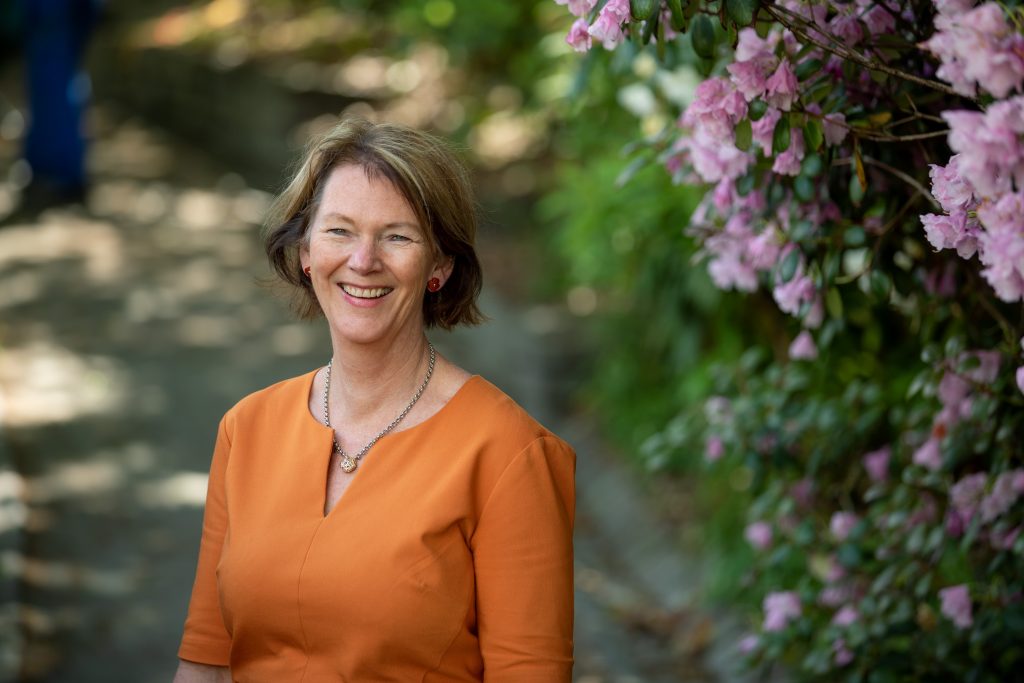
Photo: Eivind Senneset/UiB
As Vice-President of the ERC and a Board member of our Academy, I have followed the early discussions on FP10 with great interest. The negotiations between the EU Council, Parliament, and Commission over the next one to two years will shape the future of European research. I urge you, as members, to be active in this process: use your networks and political contacts to ensure that fundamental science is recognized as the backbone of competitiveness. It deserves—and requires—more than the proposed doubling of the budget compared to Horizon Europe. This is the time to advocate for bold investment in science as Europe’s strategic advantage.
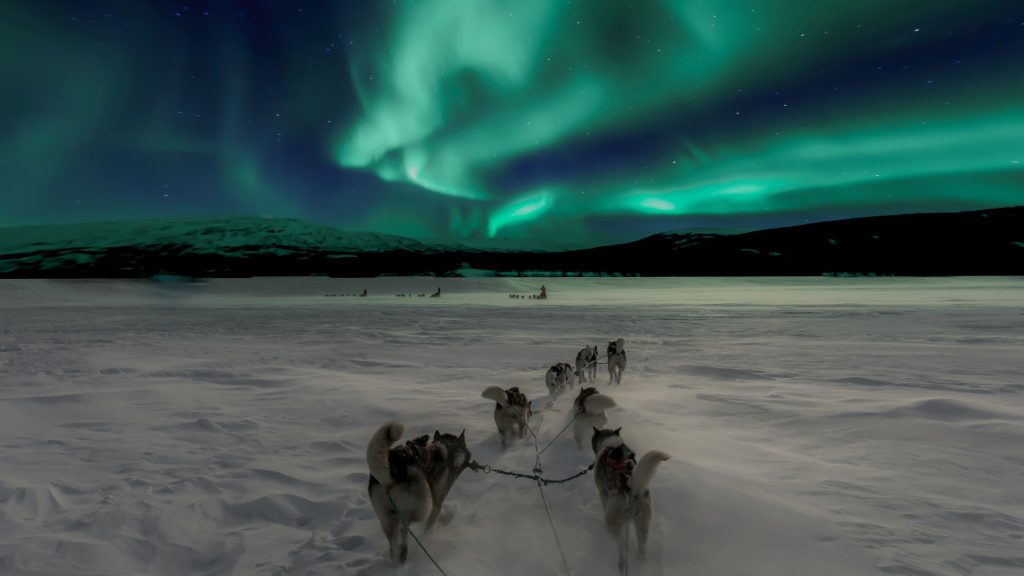
In 2025, the Hub has continued our engagement in exploring Arctic transformations through the lens of science diplomacy amid rising geopolitical tensions. We have led a cross-Atlantic project on this topic and organized several well-attended events on Arctic issues. I believe these efforts will help lay the groundwork for renewed collaboration and, hopefully, contribute to reducing tensions. We have continued co-hosting lecture series with local partners and maintained our support for the European Young Academy in running their activities.
As the year ends, so does my term as Hub Director. This has been an immensely rewarding experience, and I am more convinced than ever of the vital role of research and scientific inquiry—especially in the turbulent times we face. I am delighted that Professor Lise Øvreås will succeed me. She brings outstanding credentials to the role: an AE member, an accomplished microbiologist with significant Arctic research experience, and, crucially, a leader with broad overview and deep knowledge as past President of the Norwegian Academy of Science and Letters and incoming President of EASAC (the European Academies Science Advisory Council).
I wish you all a joyful festive season and an active year ahead. Please don’t hesitate to bring your ideas and initiatives to the Hub.
Best regards,
Eystein